Keskiajan elämää Pyhtäällä ensi lauantaina / Class next Saturday

20130331-122139.jpg

Valmistelen ensi lauantain esitystä Pyhtäälle. Mitä kaikkea pariin tuntiin mahtuukaan?

Tervetuloa kuuntelemaan, jos tämmöinen kiinnostaa:

La 6.4. KESKIAJAN ELÄMÄÄ -tietoisku Pyhtään kirjastolla klo 13-15 (Huutjärventie 30, 49210 Huutjärvi)

Keskiajan vaatetuksesta. Tutustutaan keskiajan vaateparteen: Mitä ihmisillä oli päällään? Mistä ja miten vaatteet tehtiin?

Ps. Tämä käy mainiosta valmistautumisesta ensi kesän Kesä-Heikin keskiaikamarkkinoille Pyhtäällä. Ks. lisää: www.kesaheikki.fi

***
I’m having a lecture at Pyhtää next Saturday. Hard at work getting ready for it.

Earliest LOLCAT Known to Man / Järisyttävä tieteellinen havainto

20130317-155108.jpg

I was recently reading an article on a relevant topic, namely Why Does the Internet Love Cats?. The article’s LOLcat timeline made me interested in the history of LOLcats – by definition ”cute cat pictures with witty captions”. Know your meme dates the earliest known LOLcat to the 1870s, when photographer Harry Pointer photographed cats posed in different situations, adding humorous text.

But you know, I think the LOLcat thing can be traced back much further in time. Already in the middle ages, people understood the delight of combining cats and bad spelling.

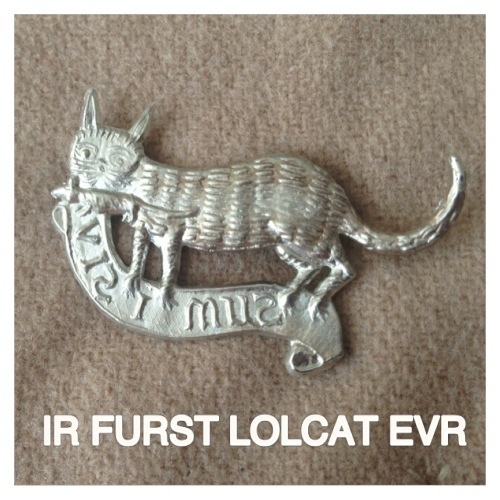
The medieval LOLcat is a pewter badge, picturing a cat with a mouse, standing on a scroll with the caption: VISI MUS (here is the mouse), which, true to LOLcat tradition is a misspelled version of the french ’voici mus’. Other versions exclaim the same in medieval lolspeak as VISI MU, VISIS MIN and voisiu.ipab. I’m sure the medieval peeps were like LOL upon seeing that.

The picture above shows the medieval LOLcat as a replica by Billy and Charlie. The original badges belong to the Medieval collection of the Salisbury Museum and are described in detail in Salisbury Museum Medieval Catalogue: Part 2, Pilgrim Souvenirs and Secular Badges by Brian Spencer.

The cat badges are dated to the 15th century.  They’ve been popular in their time, since they are not exclusive to Salisbury. The same type of badges have also been excavated from Canterbury and London.

So there you have it, the first ever lulz.

ps. Many thanks to the Neulakkko facebook page community and especially Anne Marie for assisting me on this important scientific quest. You all rock.

***
Maailman eka LOLcat! Suomenkielinen versio tyssäsi siihen, etten tiennyt/osannut päättää onko se sittenkin LOLkissa. No, te tiedätte. Jo keskiajalla osattiin arvostaaa kissan ja väärin kirjoitetun tekstin riemukasta yhdistelmää.

Käyttöesineitä Berliinistä / Practical items from Berlin

Terveisiä Berliinistä! Vaikka matkalla upotinkin itseni enimmäkseen viime vuosisadadan raskaaseen ja surulliseen historiaan, kävin Saksan historiallisessa museossa piristymässä ja katsomassa hieman keskiajan ja 1300-luvun esineistöä. On kiva tehdä yllättäviä ja hauskoja löytöjä museoista, joihin ei mene katsomaan jotain jo itselleen valmiiksi tuttua ja ”kuuluisaa” löytöä.

Keskiajan käyttöesineiden tarkastelu paitsi antaa ideoita tuleviin projekteihin, se avaa myös kurkistusikkunoita aikakauden arkeen. Lisäksi se hioo ns. keskiaikaista silmää, semmoista selkärankaan menevää ymmärrystä aikakauden visuaalisesta maailmasta. Sadantuhannen kengänpohjan ja kolmen miljoonan saviruukun kappaleen tapittamisesta on lopulta se hyöty, että alkaa tunnistaa piirteitä joilla voi ajoittaa esineitä ja voi soveltaa samaa estetiikkaa omiin väkerryksiinsä.

Lisäksi aina välillä tulee yllättyneeksi siitä, mitä kaikkea keskiajalla olikaan. Berliinistä löytyi pari todella mainiota esinettä. Joten tässä lomakuvia, olkaa hyvä!

****

Greetings from Berlin! Even though on my trip I mostly submerged myself in the tragic and scary history of the 19th Century, I did also lift my spirits with a visit to the medieval exhibition in the Deutsches Historisches Museum. I enjoy making discoveries in museums – going into a place that has no ”famous” items to expect and still discovering somehthing that will tickle my brain in a delightful way.

Looking at medieval everyday items goves you ideas for future projects, as well giving you a peek at the everyday lives of the people that once used these items. It also finetunes the so called medieval eye, a kind of inner understanding of the visual culture of the era. Looking at umpteen thousand shoe pieces and a gazillion pieces of pottery eventually gives a skill to date objects based on their visuals and a possibility to apply that same ’look’ to ones own projects.

And as an added bonus one can be surprised by the variety of medieval items. I discovered some really neat objects in Berlin – so here is a look at some holiday snapshots!


20130316-100004.jpg


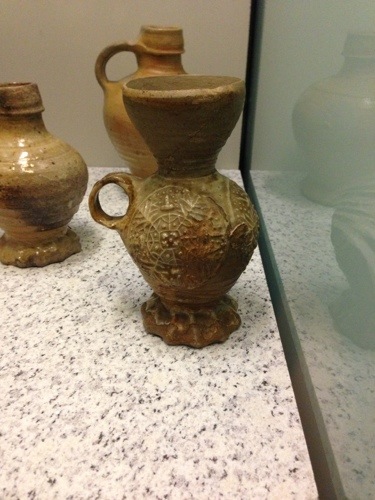
Kaunista keramiikkaa – katsokaa erityisesti koristeluja suurimmassa kannussa ja ruukussa kuvassa oikealla. Tällaiset esineet murtavat vielä jossakin elelevää myyttiä keskiaikaisen keramiikan karkeudesta ja koruttomuudesta.

Beautiful ceramics – look closely at the biggest jug and the beaker on the right. These delightful decorations bust the lingering myth of all medieval ceramics being somehow rough, primitive or plain.

20130316-095910.jpg

Tämä pieni muki on oman mukini alkuperäinen. Mukissani on hauska puolikas kahva. Alkuperäisessä kahva on katkennut, mutta hyvin säilyneessä mukiosassa ei näy jälkeä siitä että kahvan yläpää olisi siihen kiinnitetty.

This little mug is the original version of my dear mug, which is an interesting reproduction with a curious half-handle. Although the handle has broken off, the otherwise perfect cup shows no sign of it being attached to the cup.


20130316-100046.jpg

Tämä kalenteri oli mahtava! Tässä on utrechtilainen pergamentista taiteltu taskukalenteri vuodelle 1397. Siinä on tärkeitä päivämääriä kuten pyhimysten päiviä ja kuukausittain tärkeät maataloustyöt. Kööpenhaminassa Tanskan kansallismuseossa on samanlainen kalenteri.

This was really cool! It is a foldable ”pocket” calendar  for the year 1397 from Utrecht, made of parchment, showing important things like the days of Saints and the labours of different months. There is a similar item in Copenhagen in the Danish national museum.

20130316-100125.jpg

Lähikuva ruukun koristeista.

Closeup of the jug of wonder.


20130316-100224.jpg

Puusepän työkaluja.

Carpenters tools.

20130316-100302.jpg

Värttinäpainoja. Ihania pieniä mutta painavia värttinäpainoja. Tälläisiä ei tunnu nykyään saavan oikein mistään. Ehkä 80% museokuvistani on lähikuvia tekstiilityökaluista. Ihminen tarvitsee 3 miljoonaa lähikuvaa värttinäpainoista.

Spindle whorls. Lovely small yet heavy spindle whorls. These are sadly not availble anywhere these days. Maybe 80%  of my museum pictures are closeups of textile tools. A girl needs 3 million pictures of spindle whorls.

20130316-100326.jpg

Sokerina pohjana laskukone Italiasta vuodelta 1340. Ruudukko auttaa laskeman isompiakin summia.

This was another favourite item. A calculator from Italy around 1340. The columns combined with tokens help calculate larger sums.


Kuin silkkiä vaan / Nothing is like silk

20130203-181152.jpg

Kirjotuttaa! Ehkä se on lähestyvä kevät. Jotenkin laskettu työ aina liittyy valoisiin vuodenaikoihin, koska silloin sitä näkee parhaiten tehdä. Tämä pikkuinen kukkaro on muhinut kehyksissä jo muutaman kuukauden, olen tehnyt sitä aina silloin tällöin. Minulla pitää aina olla kirjontakehyksessä jotain, jonka voi kirjotuskohtauksen iskiessä napata esiin ja kirjoa vaikka vain vähän kerrallaan. Lisäksi kehys on helppo napata mukaan viihteeksi matkoille.

Saatuani edellisen kukkaron valmiiksi uhosin että seuraava kirjotaan silkillä, kuten alkuperäiset. Ja tässä sitä silkkiä nyt on. Ja siinä on oma ihanuutensa. Auringovalo kimaltaa ihanasti sen kuiduissa ja se tuntuu sormiin ylellisen pehmeältä.

Olin ehkä jännittänyt liikaa silkillä kirjomista, vaikka toisaalta oli viisasata harjoitella tekniikka ensin anteeksiantavammalla materiaalilla eli villalla. Silkissä on omat haasteensa: se menee helpommin solmuun ja on epäkiitollisempi purettava. Koska kyseessä on filamenttisilkki (eli se toukan tekemä lanka) on manikyyrin hyvä olla virheetön, koska langan säikeet tarttuvat herkästi karheisiin sormenpäihin tai kynsinauhoihin. Lisäksi suositan lämpimästi sen kiertämistä vyyhdiltä lankarullalle, koska sillä on suuri taito sotkeentua itseensä.

Tämä filamenttisilkki tilattiin Saksasta ja värjäämisestä kaikkine opittuine asioineen voi lukea enemmän täältä Pyhän Lyytin blogista. Vaalea punainen on värjätty punapuulla, mutta vihreän sävyn alkuperää en juuri nyt muista.

Kunhan kukkaro valmistuu, sen viimeistelee tinainen kukkarokehys Billy and Charlien valikoimista – kehyksen mukana tulee kukkaron kaava. Kokonaisuus on varsin pikkinen – paljon pienempi kuin mitä kuvassa näyttää, näette sitten kun se joskus on valmis!

****

I felt like embroidering again. It may be the approaching springtime. I somehow always associate counted thread embroidery with the warm and sunny seasons, probably because that’s when you can actually see well enough to count the threads. This little purse has been on the frame a few months already, I’ve picked it up and worked on it sporadically every now and then.

I always have to have something in an embroidery frame, so that I can pick it up and start embroidering when I feel the urge coming on. And being light and transportable, embroidery is great to pack along when travelling.

When I finished my previous purse, I decided that the next counted thread embroidery would be in silk, like the extant purses. And here we have it: silk! It certainly is like nothing else. Sunlight glitters in a fantastic way when it shines on the fibers and it feels luxuriously soft to the touch.

I may have been a little too concerned about embroidering with silk – although I guess it was good to first learn the technique with a more forgiving material like wool. Silk poses some challenges: it gets knotted up far more easily and is harder to undo. And because this is filament silk (aka made by the silkworm itself), it’s good to have well manicured hands when working on it: the fibers snag easily on any roughness on your fingers or nails. I also (speaking from tragic experience here) really recommend spooling it, as it has an amazing capacity to get all knotted and messed up in itself.

The filament silk was ordered via a friend from Germany and you can learn about dyeing it (and all the things learned) here at the Pyhä Lyyti blog (also in English). The red is dyed with redwood (I think) but the green, I just cannot recall right now.

And once the purse is finished, it will be finished with cute little pewter purse frame from Billy and Charlie, from where the pattern for the purse itself also comes from. All in all it is quite tiny – it is hard to tell from this picture, but you’ll see once I (someday, eventually) post the finished item!


Uusi vuosi, uusia juttuja / New year, new things

20130107-193615.jpg

Olen aika nihkeä joululahjojen suhteen: mielestäni en tarvitse mitään ja se mitä tarvitsen on sen verran erikoista, että sitä on muiden vaikea ostaa. Siksi yleensä pyydänkin, ettei pukki toisi mitään. Toisaalta saatan joulun ja veronpalautuksen kunniaksi ostaa itselleni jotain, jos jotain sopivaa tulee eteen. Keskiaikajuttujen hankkiminen on siinä mielessä kivaa, että samalla tulee tukeneeksi käsityöyrittäjiä.

Tänä vuonna tuli tehtyä huisit kaksi todella mieluista hankintaa.

Kavereiden kanssa tilasimme kimpassa Puolasta (täältä) käsikudottua ja kasvivärjättyä kangasta, joka oli joulun kunniaksi tarjouksessa. Käsinkudottu ja kasvivärjätty kangas on semmoinen pitkään mielessä läikkynyt haave – kun tilaisuus tuli ostaa jämäerä tämmöistä komeaa toimikasta (joka muistuttaa Herjolfsnesin kankaita erivärisine loimineen ja kuteineen), oli tilaisuuteen tartuttava vaikken tiedäkään vielä mitä kankaasta teen. Yleensä noudatan periaatettani siitä, että ensin on idea ja sitten vasta kangas!

Toinen hankinta on tämä pikkiriikkinen joutsenkoru Darkridge Jewelsiltä, jonka inspiraationa on toiminut keskiajan koruista kenties ihanin: Dunstable Swan Jewel. Tätä käytän hienoista hienoimman asukokonaisuuteni kanssa ja se sopii minulle, sillä tykkään joutsenista – Iloisesta Joutsenesta, mökkirannan joutsenista ja kaikenlaisista muistakin joutsenista – mikäli sitä joku Neulakon lukija ei ole vielä huomannut.

Ja mitä tulee uuteen vuoteen, olen ajatellut pyrkiä olemaan aktiivisempi päivitysten suhteen – tehdä enemmän tämmöisiä pieniä ja lyhyitä juttuja pidempien päivitysten ohelle. Yksi uusi ohjekin on tulossa, joten pysykää kuulolla!

****

I’m pretty difficult when it comes to Christmas presents: I don’t think I really need anything and then things that I do want are kind of odd and hard to come by. So usually I just wish that I get nothing from Santa. Then again, come Christmas and – more importantly perhaps – tax returns, I might get myself something I really want if I come across it. I like spending on medieval things because it also gives me an opportunity to support small businesses and craftspeople.

This year I found two really lovely things. (pictured above)

This first one is a – tadaaa! – naturally dyed and handwoven wool twill that I got from Poland (here), together with some friends (who got different weaves in different colours). Being the rests of a bigger piece this was on sale. Handwoven naturally dyed fabric is something I have dreamed about working with for long – so when this opportunity presented itself I had to go for it. Especially since the weave is very reminiscent of the twills in Herjolfsnes, and the different colours in warp and weft. I’m not sure what this will become eventually – that’s against my principle of first getting the idea and only then the fabric – but with this one I was happy to make the exception.

The tiny swan jewel comes from Darkridge Jewels and is inspired by probably the most fabulous piece of medieval jewelry – the Dunstable Swan Jewel. I will wear it with my poshest outfits and it suits me well since I really like swans – the Merry Swan, the swans that live close to my summer cottage and swans in general really – in case some of you readers had missed that.

And about the new year – I intend to try to post more often. I’ll make more short posts like this since not everything requires an essay. There will be those long posts and at least one new tutorial coming up as well, so stay tuned!

Hyvää joulua! / Seasons greetings!

20121225-141834.jpg

Olkipukin kanssa toivotamme kaikille Neulakon lukijoille hyvää joulua kera käsitöiden ja kiitämme tästä vuodesta! Lisää seikkailuita ja käsitöitä ensi vuonna!

***
This is a traditional finnish yule goat. Him and me, we wish you happy holidays with lots of time for crafts! Thanks for following Neulakko in 2012, more crafts and adventures coming up next year!

Röyhelön monet olomuodot / The Many Forms of Frill

20121104-174340.jpg

Uusi röyhelöhuntu on valmis! Tämä ei ole se se aiemmin aloitettu megaröyhelö (se on vielä kesken). Tämä projekti alkoi itää mielessäni kesällä, kun koko ajan satoi. Sen takia en voinut pitää röyhelöitäni, sillä hevi-tärkkäys ja sadesää eivät käy yksiin. Viimeistään Visbyssä, kun näin KapitelhusgÃ¥rdenissa (samalla kun kiersin sadevettä omasta hunnustani) tämän Cathrinin upean hunnun, jota -tadaa- ei tarvinnut tärkätä, päätin puuttua asiaan. Edit: Lue täältä bloggaus tuosta hunnusta.

Tästä hunnusta ei tullut yhtä pientä ja sievää. Vaikka yritin tehdä pientä, tuli tämmöinen suuri ja muhkea.  Epäilen sukuvikaa, sillä tädilläni on sama ongelma korvapuustien leivonnassa. Mutta toisaalta, pieni muhkeus ei haittaa pullassa eikä röyhelössäkään.

Tämän villin ja asettelemattoman röyhelön hyviä puolia on tärkkäämättömyyden lisäksi sen muunneltavuus. Se taipuu moniin niistä muodoista, jossa röyhelöitä keskiajalla käytettiin. (Kannattaa muuten katsoa Isis Sturtewagenin tutkimuksia aiheesta!)

Pakkohan sitä oli tietenkin kokeilla.

Ylhäällä huntu U-muodossa, ilman lettejä ja sitten lettien kanssa. Pahoittelen kuvanlaatua, mutta omalta käsivaralta iPhonen etukameralla haaleassa marraskuun valossa ei tämän parempia saanut.

****

My new frilled veil is finished! It isn’t the megafrill I started earlier this year (it’s still under construction). This project began brewing in my head during the summer, when it rained all the time and I couldn’t wear my frills, since heavy-duty starch and moisture don’t go together that well. Then in Visby, there was that lecture at KapitelhusgÃ¥rden where (while squeezing rain water out of my own lame non-frilled veil) I saw this lovely veil, which didn’t need starching, by and on Cathrin. Edit: Go here to read a blog post about it.

Mine didn’t turn out to so cute – it’s rather poofy and big. This keeps happening. I want to make small frills and they turn out huge instead. I suspect this runs in the family, since my aunt has similar issues when baking cinnamon rolls. But then again there really isn’t anything wrong with massive pastries or frills for that matter.

One of the perks of this wild and unset frill is it’s versatility. It can be set in many of the ways familiar from effigies and other sources. (See Isis Sturtewagen’s research for interesting types and typifications.)

This I of course had to try.

In the first picture, there is the veil in all of it’s U-shaped goodness, both with and wihtout braids. I’m sorry about the poor quality of the pictures, but this is what you get with a handheld iPhone camera in the darkness of finnish November afternoons.

Sitten piti kokeilla, miltä röyhelö näyttää toisen hunnun alla. Röyhelöhunnun alle on myös puettu myssyn päälle alushuntu tukikerrokseksi ja tuomaan volyymia päähineeseen.

Then I had to try how the frilled veil under a simple veil -look worked out. In these pictures I’m also wearing a veil under the frilled and over my cap. It gives a nice base to pin things onto and gives the entire headdress some volume.

20121104-174415.jpg

Sitten kreisiosastolle: erikoinen O-huntu leteillä, huntu kera otsapannan tai kruunun ja lopuksi jopa ns. kleeblett-kruseler, jossa röyhelö on nostettu kiekuraksi pään päälle! O-huntua saattaisin sen kaikessa kummallisuudessa joskus käyttääkin, otsapanta (ainakin ilman koristeita) tuntuu vähän pocahontasille, kruunu katoaa hilpeästi röyhelöön (toista se on isokruunuisemmalla Tanskan kuningattarella) ja viimeinen tyyli.. no se ei oikeastaan ajoitukaan 1300-luvulle. Fiu.

Then we get crazy: the odd O-shaped frill, the frill with a headband or coronet and to top it off the so called kleeblatt-kruseler, where the frill sits on the top of the head in a big poof. The O-veil I guess I could use in all it’s oddity. The headband (at least when it’s plain) made me feel a bit too much like Pocahontas. The coronet fantastically disappears into the frills (at least if you are not queen of Denmark) and the kleeblatt… doesnt’ actually date to the 14th century. Phew!

20121104-174428.jpg

U-muotoinen huntu leteillä ja leukaliinalla on suosikki ja eniten omalla mukavuusaluella. Mutta oli näidenkin kuvien ottaminen melko hysteerisen hupaisaa puuhaa.

Wearing it as a U with the braids and the wimple is my favourite style – and it remains within my comfort zone.  But taking even these pics was quite hysterical!


Loppuun vielä kommentti viralliselta kissa-valvoja Justukselta: ”Mä olin ihan että kauanko pitää helmoissa roikkua, että saisi mahan rapsuttelua, täällä nainen vain heiluu joku torttu päässä sen sijaan”.

Justus, my cat help du jour comments: ”I was all like – how long do I have to wrestle with these hems to get some tummy rubs for goddsake? This woman just goes about with some kind of poof on her head and I get no attention!”


Ps. Uudet sosiaalisen median jako- ja tykkäämisnappulat! / New like and share buttons! Now more than Facebook!

 

Päärmäystä ja neuloja / Hemming and Needles

20121007-105625.jpg

Käsitöistä bloggaamisessa on se, että pitäisi olla hirvittävän tuottelias voidakseen taata tasaisen päivitystahdin. Ainakin mikäli haluaa päivittää jostain valmiista ja hienosta. Mutta kuten käsityön ystävät hyvin tietävät, jokaisessa WAU-käsityössäkin on se tylsä vaihe. Yleensä siihen liityy päärmääminen tai muu saumojen kääntely.

Tässä mennään täällä nyt.

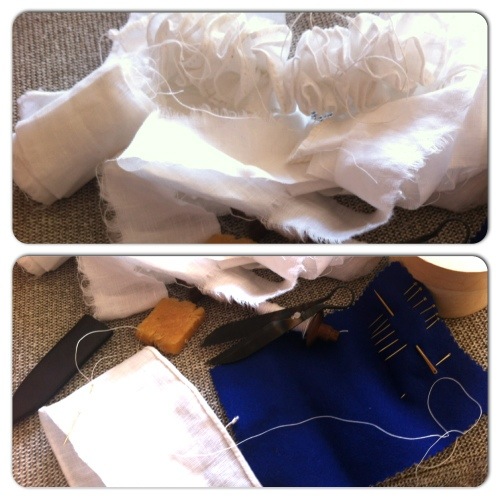
Röyhelöhuntujen edellyttää hurjasti päärmäämistä. Pitäisi jaksaa vetäistä noin 20 metriä päärmettä ennenkuin pääsen mihinkään jännittävämpään vaiheeseen. Toisaalta päärmäily on ihanan aivotonta.

Ompelua sulostuttaa se, että on hyvät välineet. Tein äskettäin tarpeellisia varastontäydennyksiä SPES medieval Marketista (mehiläisvahakynttilöitä, uusi olkipatjapussi) ja päätin samalla tilauksela kokeilla uutta ompelusettiä (alemmassa kuvassa sinisellä villalla). Se on varsin mainiota tavaraa.

Tykkään nimittäin jostain syystä kovasti kotonakin ommella reproneuloilla, eli siis keskiaikaisen esikuvan mukaan tehdyillä vs. moderneilla. Mutta hyvien neulojen löytäminen on aika vaikeaa. Useimmat ovat liian pehmeitä, toiset tylsiä, joissain neuloissa on niin karkea silmä, että lanka katkeaa. Nämä neulat eivät tunnu kärsivän mistään yllä mainituista ongelmista. Paketissa on hyvä hinta-laatusuhde, sillä siinä tulee 6 pientä nuppineulaa, kaksi ompeluneulaa ja vielä suuri parsinneula, jota voi käyttää vaikka ruuanlaitossa (kuten Hollolassa kun parsittiin ahvenella täytetyn hauen vatsa kiinni).

***

The thing about blogging about crafts ist that you’d have to be quite productive in order to keep up a decent stream of interesting updates. Especially if you want to blog about finished items or interesting phases. Like most crafts people know, even the most WOW-inducing projects have those slow and boring phases. Usually they seem to include hemming.

This is where I am now.

Frilled veils take an impressive amount of time spent hemming. I still have about 20 meters to hem before I get to the more exciting assembly phases. On the other hand, hemming is delightfully brainless.

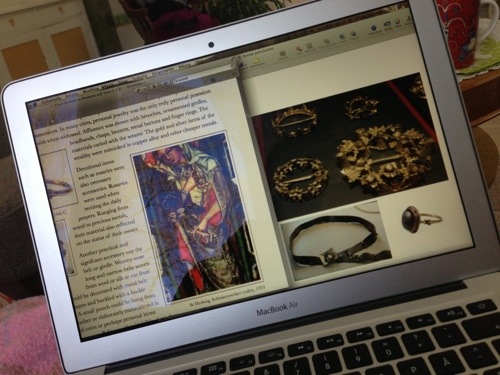
All crafts are way more fun with good tools. I recently stocked up on necessities (beeswax candles, a new mattress bag) from SPES medieval market and decided to also get one of their sewing kits. (in the picture above, on the blue wool) It’s good stuff.

For some reason I like to sew with reproduction needles vs modern ones even here at home. Finding good needles is however a bit tricky. Most needles are way too soft and bendy, some are dull and the others have such a rough eye that they break the thread. These needles, however, don’t seem to have any of these issues. And there is a good price-quality ratio too, since the kit has six small pins, 2 sewing needles and a big mending needle (which can also be used for cooking like sewing up a stuffed fish like in Hollola).


20121007-113910.jpg

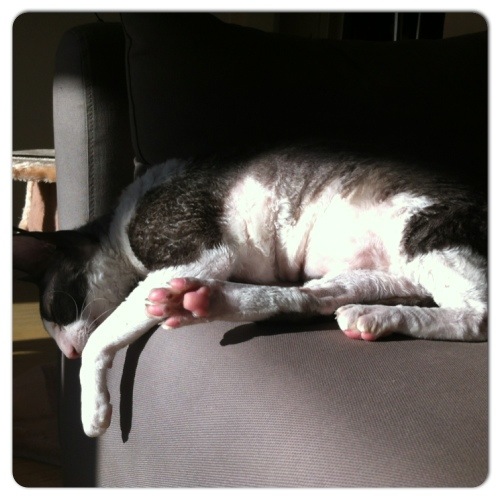
Bonuksena kissakuva! Kissa-apuri Verka on aivan väsähtänyt joko tylsään päärmäämisen seuraamiseen tai sitten julkisuus uuvuttaa. TV-julkkis Verkahan esiintyi Puoli Seitsemässä myös. (Kissojen varpaissa on jotain kamalan suloista. Niinkuin pieniä vaaleanpunaisia papuja.)

Bonus cat picture! My cat help Verka is really tired, either due to helping with the boring hemming or then it is the fame getting to her. Verka is now a TV celebrity, because she was also featured on Puoli Seitsemän. (I love it how cats have little toes that look like beans.)

Telkkarissa torstaina / On TV on Thursday

Kuvauksissa kesällä, toimittaja lainavaatteissa / Filming in the summer

Nyt se tulee! Kesällä Turun markkinoilla ja myös meillä kotona Puoli Seitsemään kuvattu juttu keskiaikaharrastamisesta tulee telkkarista ylihuomenna.

Kiinnostuneet voivat virittää vastaanottimensa 4.10. klo 18.30 TV1:lle. (Uusinta pe 5.10. klo 11.10. )
Jos missatte lähetyksen, ohjelma on nähtävissä YLE Areenassa täällä pian lähetyksen jälkeen 30 vrk:n ajan.

****

The TV spot which was filmed during the summer in Turku and here at home will air this thursday (TV1 at 18.30).

It will also be on the Yle Areena website, but possibly available only in Finland due to copyright restrictions. (I will find out and let you know)


Matkalla Visbyssä / Visit Visby

20120803-172532.jpg
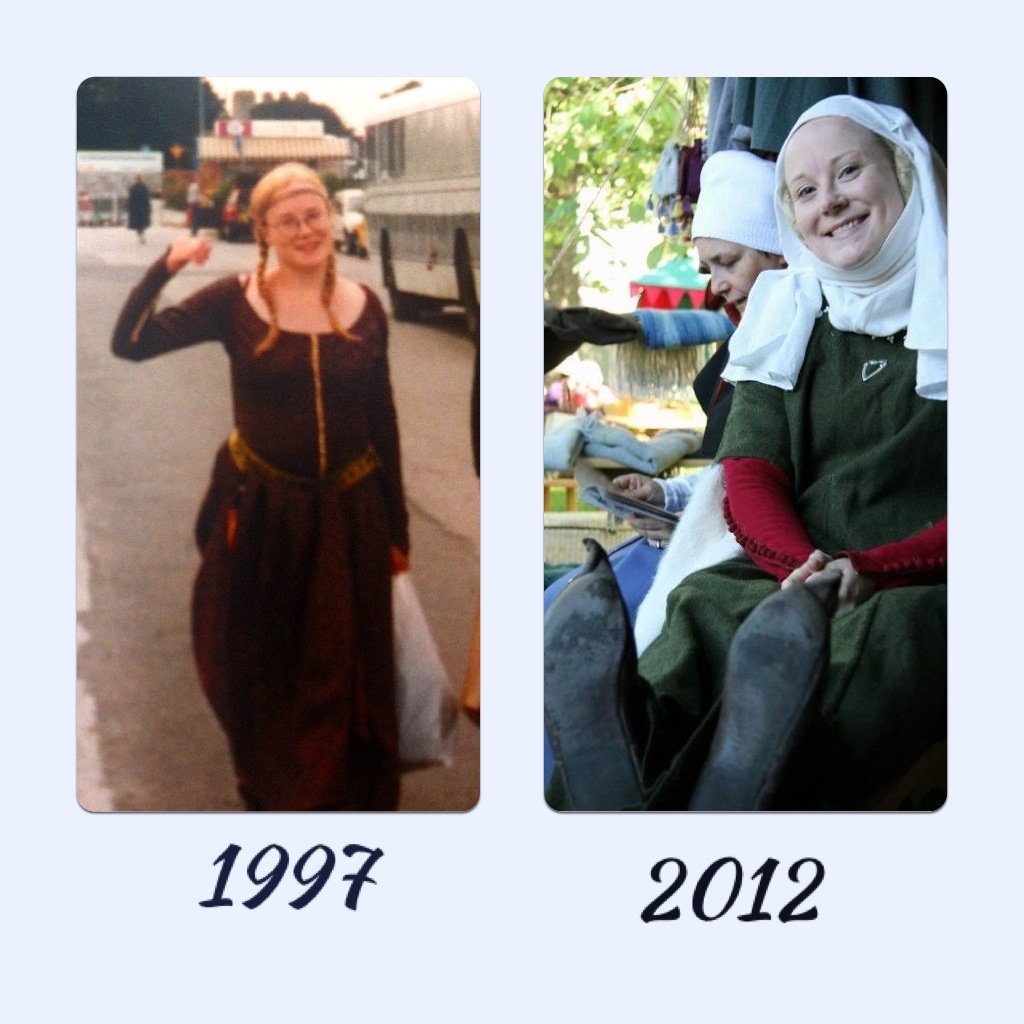
then: pic by Sanna-Mari now: pic by Ilona

Torstaina lähden pitkästä aikaa Gotlantiin Visbyn keskiaikaviikoille! Kuten kuvasta näkee, ensimmäisestä Visbyn reissusta on vierähtänyt aika tavalla aikaa ja… no…tirsk…köh…. monet asiat ovat muuttuneet!

Visbyn keskiaikaviikkojen telttaleiri oli ensimmäinen leiritapahtumani ulkomailla ja kaikin tavoin aikamoinen elämys. Kävin Visbyssä kolmesti. Viimeisimmästä reissusta on kuitenkin jo ehtinyt vierähtää 12 vuotta aikaa.

Tänä vuonna on edessä odotettu jälleennäkeminen ruusujen ja raunioiden saaren kanssa. Edessä on erilainen reissu: matkustamme Mervin kanssa keskiaikaviikoille Visit Swedenin (eli Ruotsin matkailutoimiston) kutsusta.

Visit Sweden kutsui meidät keskiaikabloggaajina koeajamaan keskiaikaviikon. Ohjelmassa on jo näytelmää, turnajaista, tutustumista keskiaikahotelliin – unohtamatta ostoksia markkinoilla, KapitelhusgÃ¥rdenissa ja museokäyntiä Fornsalenissa!

Mitä sinun mielestäsi Visbyssä kuuluisi nähdä ja kokea? Vinkkejä otetaan vastaan!

Bloggaamme kokemastamme (sekä reissun päällä että sen jälkeen) Matkalla Ruotsissa – blogissa. Sinne siis!

***

On Thursday I take off to Visby on Gotland to experience the local Medieval week! As you can see in the picture above, it’s been quite the while since my first trip to Visby and…well…giggle…snort…cough… a lot of things have changed since then!

Visby medieval week tent camp was my first camping event abroad and a great experience in many ways. I’ve been to Visby three times, but it has been quite the while since my last visit in 2000.

So I’m looking forward to seeing beautiful Gotland again. This time the trip will be entirely different: me and Mervi are flying over as guests of Visit Sweden (aka Swedish national Tourist bureau).

Visit Sweden invited us over as Finnish medieval bloggers to experience the medieval week and write about it. Our programme is pretty packed: plays, tourneys, medieval hotels – not forgetting shopping at the market, KapitelhusgÃ¥rden and museums.

But is there something you think we really shoudn’t miss in Visby? Any tips?

We will blog about it all (but in Finnish only, sorry) here in the Matkalla Ruotsissa blog.